






What are the advantages of Combined Substation?
A Combined Substation refers to a state-of-the-art technology designed to achieve better efficiency, flexibility, and safety in power distribution. Due to industrialization and urbanization at the global level, the need for state-of-the-art electric power infrastructure has been increasing. Due to this reason, combined substationsare being utilized all over the globe, especially in the rapidly developing regions like China. In this article, we will emphasize some of the most significant benefits of using a Combined Substation in energy projects.
What is a Combined Substation?
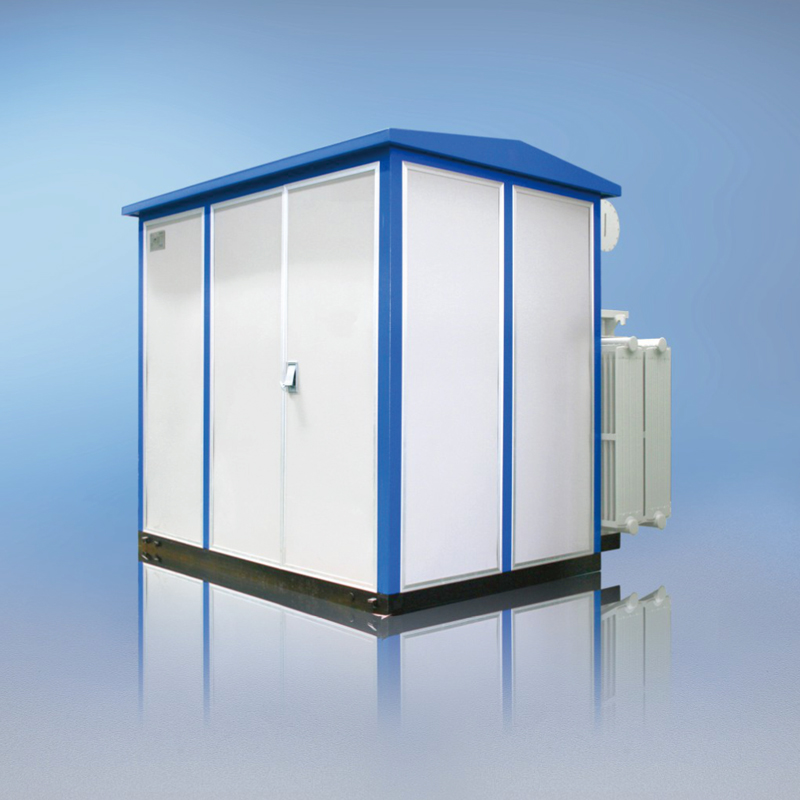
A Combined Substation, also called a prefabricated or modular substation, is a type of electrical substation that combines several components, including transformers, switchgear, protective gadgets, and automation systems, in a single compact unit manufactured in the factory. Compared to traditional substations, which need much on-site construction, this solution can be implemented quickly and efficiently.Combined substations can be designed for urban, rural, and industrial purposes and exist in numerous configurations depending on the project type.
Combined substations are gaining increased popularity due to the combination of innovative technologies and practical solutions for site space, safety, and scalability. In China, combined substations are especially recognized for improving project delivery times and maintaining reliability even under difficult site conditions.
Efficiency in Installation and Operation
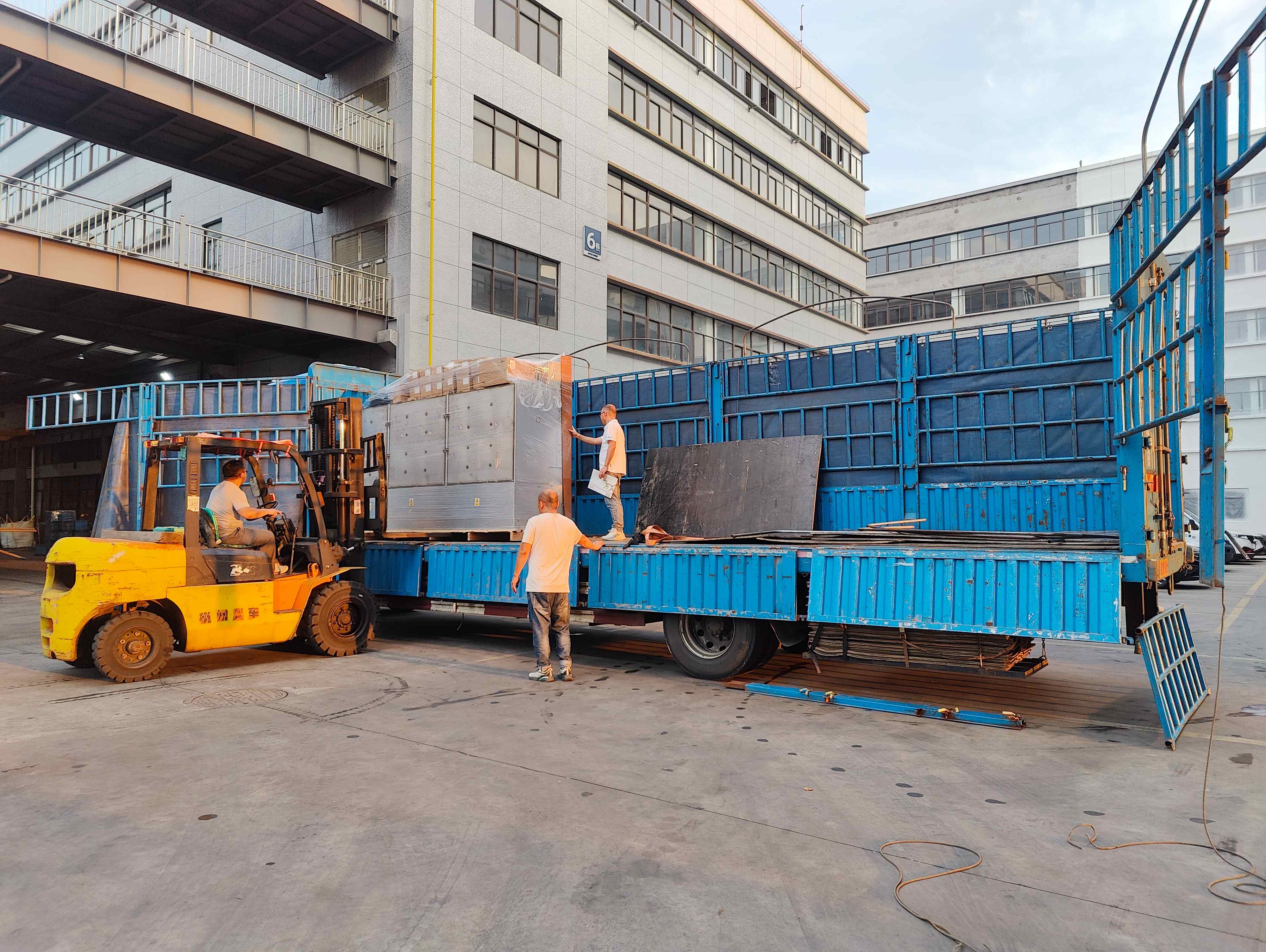
A primary benefit of the hybrid substation is its high level of efficiency when it comes to installation as well as operation. The pre-manufactured units involved reduce the complicated aspects of conventional site building, bringing the duration of construction down from months to weeks or even days. This makes the whole process simpler and minimizes disturbances in urban and industrial areas while enabling energy suppliers to start operations sooner.
The efficiency in operations is enhanced by the innovative monitoring and automation devices as components of a consolidated substation. It enables remote control and gives the opportunity to perform evaluation of the information live, which results in improved reliability and minimum unavailability period. It is possible to conduct maintenance procedure more efficiently and with less risk because of the well-structured layouts of the systems and modular architecture.
Space-saving and Flexible Design
The compact configuration of a combined substation has considerably contributed to its quick acceptance in urban landscapes. Whereas traditional substations consume large space and also involve a lengthy process of construction and operation, combined substations are installed in ready-to use boxes. The equipment has the potential to be used in places where there is a lack of space like business centers, factories, and city areas.
The option of flexibility is another benefit. Combined substations can be tailored according to voltage levels, power requirements, and climatic conditions, as in the case of a combined substation built in China that is capable of withstanding extreme weather, earthquakes, and corrosive industrial environments. In addition, combined substations allow for the addition or replacement of modules as per changing operational requirements for ultimate flexibility.
Enhanced Safety and Reliability
The importance of safety in contemporary power grids cannot be overstated; in fact, combined substations surpass the conventional performance of other systems vis-à-vis safety. Combined substations enclose all high-voltage components, thereby minimizing the risk of inadvertent exposure or electrical problems. Moreover, combined substations are designed in accordance with global safety regulations and often include modern protection relays, fire extinguishing facilities, and environmental monitoring capabilities.
Reliable quality management processes in manufacturing and thorough testing of equipment prior to deployment guarantee that a facility will be reliable. Due to the controlled production conditions for the combined substations, the process of implementing that components can be more accurate, avoiding many known and typical issues that occur in traditional field-assembled substations. The application of fully insulated nameplate, protection, and automated control further enhances equipment stability.
Cost-effectiveness and Lifecycle Benefits
Whenever we think about power distribution solutions, cost is often the deciding factor, and the advantages of using combined substations are well established in this field. Factory-built modular systems bring down labor costs and avoid many unforeseen costs involved in on-site setup, transport, and coordination. Since installation is simpler and faster, the timeline of the project can be achieved with minimum delays and penalties.
Typically, the lifecycle cost of a combined substation is less than that of conventional solutions. This is achieved through the use of standardized parts which facilitate maintenance and reduce inventory needs. Furthermore, any downtime related to repair or modernization is minimized, and the savings achieved as a result of new efficiency standards lead to reduced operational costs. According to many operators, the total ownership cost is substantially lower in cases where labor costs or operating conditions are tough.
Environmentally Friendly Solution
The significance of environmental sustainability is increasing within the power distribution network. Therefore, combined substations are built so as to meet strict environmental standards in the process of manufacturing and operation, which will also help minimize waste, emissions, and energy consumption as compared to building substations on-site and constructing them largely.
Once they are operational, combined substations will typically deploy intelligent systems for energy optimization. Their compact design minimizes land disturbance and noise-proofing capabilities can safeguard communities. Some types may also use renewable energy technologies such as solar panels or smart grid technology thereby aiding larger sustainability objectives. In China, this is an area of interest as the country is rapidly expanding its renewable energy avenue.
Scalability and Integration with Modern Networks
Scalability is a major advantage of combined substations for expanding power systems. As demand continues to rise, system operators can quickly expand the capacity of their networks through new installations rather than entire site reconstructions. Because of their modular construction, combined substations are appropriate for industries that require rapid expansion and urban development, such as data centers.
Integrating with modern network management systems is also easy. Combined substations are equipped for digital communications which provide the possibility to connect to smart grid systems, remote monitoring devices, and asset management systems. Due to this, more control is provided, feedback is received immediately, and optimization of performance is achieved based on real time conditions. Additionally, many customers praise the process of integration of battery storages or renewable energy systems in accordance with changing needs
Applications of Combined Substation in China and Globally
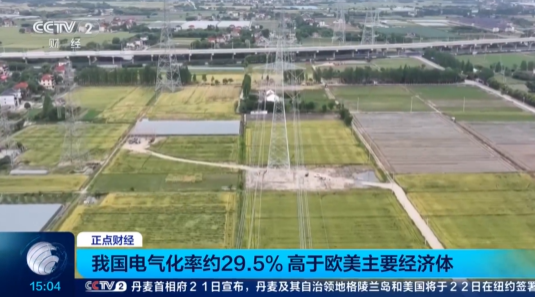
Combined substations are being adopted in various types of applications in urban, suburban, and industrial sectors across the globe. In the case of China, they contribute to the rapid development of power networks by ensuring high reliability of power supply in new places and locations where redevelopment is in the process. Thanks to their flexibility, combined substations are a good solution for short-term power needs for metro systems, construction, and renewable power plants.
The world’s industries employ combined substations for their flexibility and reliability. The automation and digital control movement has contributed to their attractiveness by enabling the monitoring and fine-tuning of operations remotely. As a result, states and private entities benefit from lower costs, enhanced safety, and faster completion of projects.
FAQ: What is the Role of a Combined Substation?
The purpose of a merged substation is to act as a main point for power conversion, transmission, and safeguarding. By integrating necessary equipment in one safe enclosure, it allows the transmission of electricity from the generation sites to consumption sites at high efficiency. Merged substations provide reliable voltage stabilizing, fast switching, good fault isolation, and complete system surveillance.
Both in terms of classic power grids and renewable energy systems, these functions are vital. By distributing electricity where it is ultimately needed, the substations help minimize electrical losses and maximize safety. For operators, advanced protection and automation means that the challenges can be identified and dealt with properly.
What are the Advantages of Combined Substation Systems?
To address the question directly, the advantages of combined substation systems include:
- Rapid deployment and installation, resulting in faster project completion
- Reduced space requirements and flexible layout options
- Enhanced safety measures for operators and the public
- Superior reliability through standardized, factory-tested components
- Lower overall cost from efficient assembly and operation
- Environmentally friendly manufacturing and operation
- Streamlined integration with digital management platforms
- Scalability to match growing or fluctuating demand
The features mentioned have made combined substations the first choice when it comes to setting up energy infrastructure, modernization initiatives, and industries that need to grow and control swiftly.
How Combined Substation Power Solutions Meet Modern Challenges
Currently, power grids encounter difficulties such as the growing request for power, complicated site conditions, and stricter safety requirements. On the other hand, a single substation power solution is used to solve these issues by utilizing prefabricated flexibility, bringing in unusual speed of introducing the solution, and providing strong digital power management capabilities. As a result, operators are able to quickly respond to demand peaks or problems of the system with modular components and monitoring solutions.
The transition to smart grid and renewable energy sources is achieved through combined substations in countries such as China. Integrated using solar, wind, and battery storage modules, the layout enables energy providers to achieve sustainability targets while ensuring reliability and cost-effectiveness. So the combined substations will be crucial in the setting of electrical networks with the digitization of the grids.
Future Trends in Combined Substation Technology
In the future, hybrid substations will be more sophisticated, connected, and durable. Developments in materials, automation, and remote monitoring of devices will improve their performance and increase longevity. In addition, utilities will have access to predictive maintenance, real-time analysis, and flexible capacity management.
The increased significance placed on sustainability will increase eco-friendly materials and renewable energy installation usage in combined substations systems. Developing nations like Africa, Southeast Asia, and South America are likely to copy China’s example of deploying combined substations in order to hasten their own development and offer reliable access to power.
The increasing trend of regulation for compliance with safety and environmental norms will continue to highlight the importance of hybrid substations. As public and private power companies continue to boost their competitive positions and boost their operational resilience, hybrid substations will be crucial in the transformation of the power industry.
To conclude, the combined substation has unparalleled benefits with regard to efficiency, safety, flexibility, and sustainability. By using this technology, electricity supply companies and businesses will be able to prepare for the future and guarantee stable energy supply in a variety of conditions. As developments in technology and markets continue, combined substations will undoubtedly play an important role in the energy industry.
