







What are the advantages of the 35kV American-style wind power box-type substation?
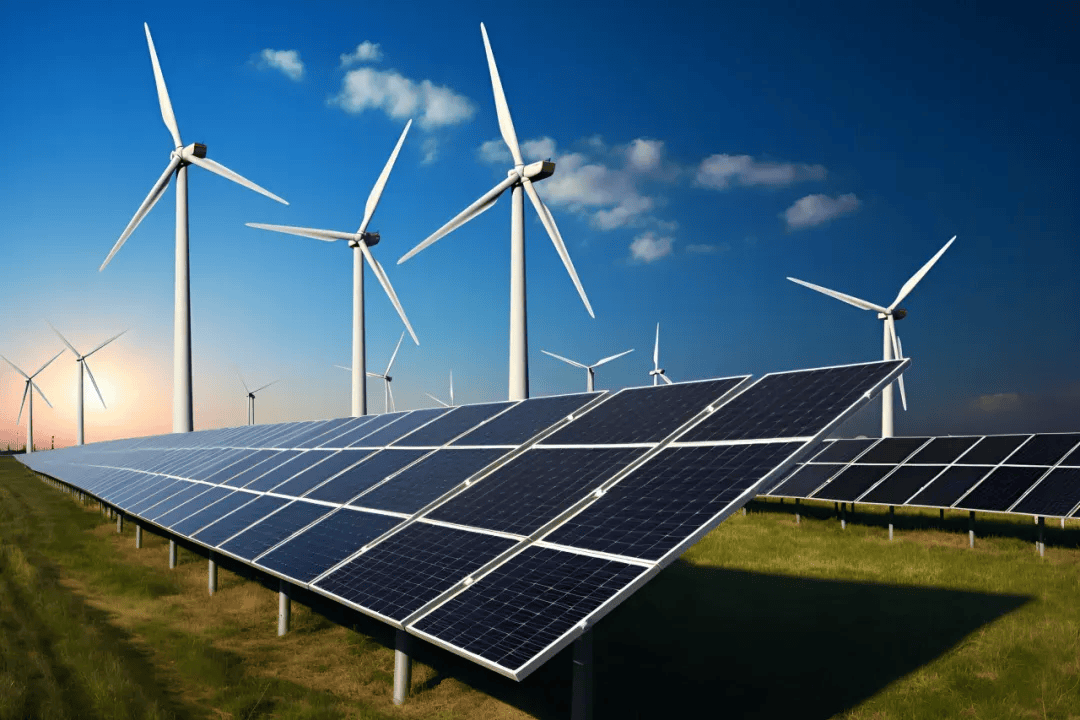
Efficient and durable power distribution systems have become a must-have in the world of renewable energy where everything is changing fast. One such system is the35kV American-Style Wind Power Box-Type Substation, which is known for its flexibility, design, and focus on safety and performance. This paper provides information about the benefits of the system, its features, and answers some questions that may arise regarding the use of this technology.
Understanding the 35kV American-Style Wind Power Box-Type Substation
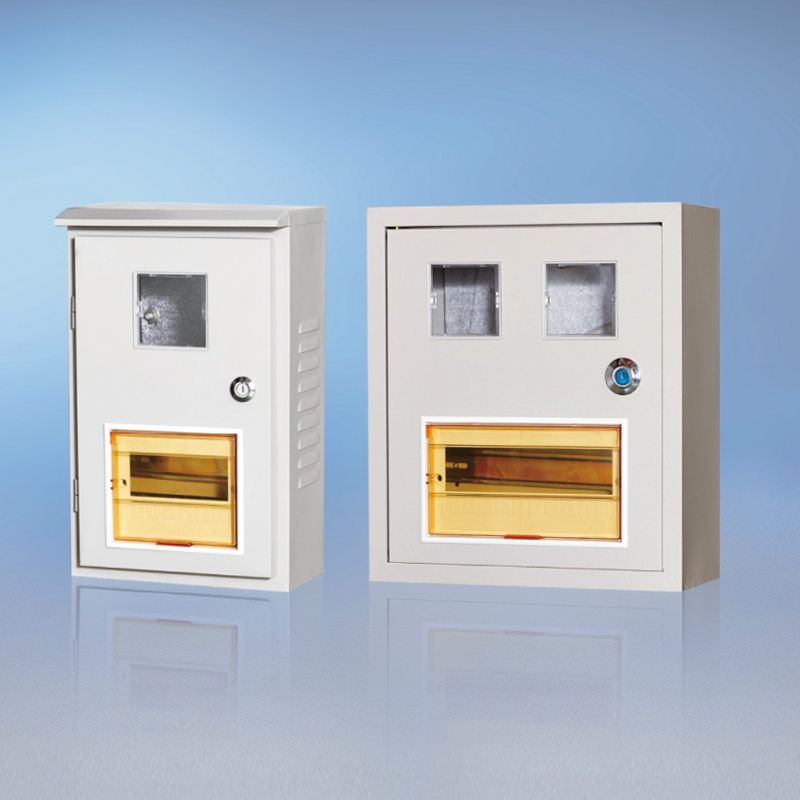
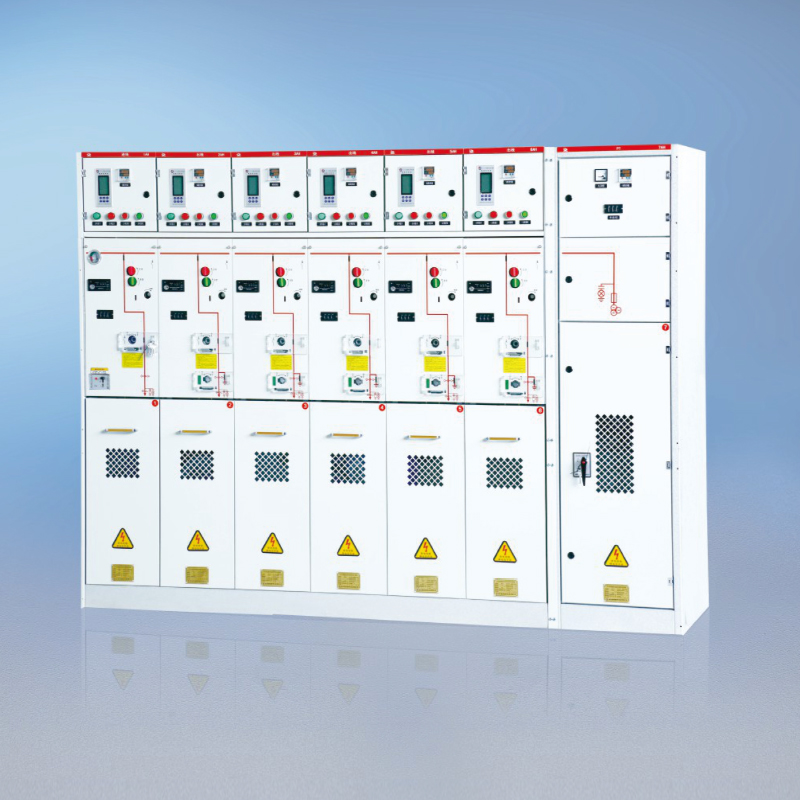
The 35kV American-style Wind Power Box Substation describes the modular, pre-fabricated type of substation intended for use in wind farms and other high-voltage renewable installations. The difference between the more commonly used conventional substations and box substations is that elements like the transformer, switchgear, and protection equipment were integrated into compact and weather-resistant facility. As the name indicates, "35kV" is about the specified voltage, which is associated with the medium voltage use typical for wind energy systems. The term "American style" suggest the usage of advance technology, standardized manufacturing, and methods adopted in the USA known around the world.
Main Advantages of the 35kV American-Style Wind Power Box-Type Substation
When looking into investments, operational considerations, and upkeep of modern wind farms and renewable projects, it is extremely important to choose the most suitable substation infrastructure. Below, we present advantages that contribute to the fact that the 35kV American-Style Wind Power Box-Type Substation is widely used.
1. Exceptional Space Efficiency and Compact Design
In contrast to conventional air-insulated or open substations, the box-type design is specially designed for restricted site space found in wind farm locations. The compact and modular enclosure of the substation allows it to contain all the needed equipment for power conversion and distribution. The advantages of this approach include lower land acquisition and preparation costs, enabling the placement of more turbines or renewables in a specific area and facilitating the logistics of transportation and installation thanks to factory preassembly.
2. Enhanced Adaptability for Wind Power Projects
Most wind energy systems are found in remote locations which include harsh terrains, i.e. deserts and the ocean, as well as mountain regions. The 35 kV American style Wind Power Box-type Substation was designed to withstand temperature variations, humidity levels, and extreme weather conditions. Its strong casing provides protection against dust, moisture, saline sprays, and ultraviolet rays. The adaptive features which can be selected make it possible to install ventilations, as well as heating and cooling systems for it to function reliably across a wide range of climatic conditions.
3. Integrated Safety and Protection Systems
Safety is paramount in designing high voltage substations. The American-type substations have a multilayered protection system that applies advanced protection devices such as relays, fuses, circuit breakers, etc. Inside the structure, high, medium, and low-voltage sections are separated from each other, thereby minimizing the chance of an electrical hazard. The building is made of fire-resistant and corrosion-resistant materials and contains fire detection and fire suppression systems. The equipment is monitored by means of monitoring systems and SCADA which allow rapid detection and removal of the faults thus decreasing the probability of damages and injuries in case of an emergency.
4. Rapid Installation, Commissioning, and Scalability
Time is an important factor in renewable energy projects, as delays in these projects can affect the return on investment. The modular design of the35kV American-Type Wind Power Box Substation gives it a key benefit compared to competitors: the equipment is assembled, tested, and commissioned in the factory before being delivered to the site completely assembled. This ensures that the time required for the installation at site is reduced to weeks and even days rather than months. The modular design also allows for easy expansion, since future turbines can just as easily be connected to the existing data center by adding new modules rather than building new infrastructure.
5. Cost Savings Over the Substation Lifecycle
Even though the initial capital expenditure of box-type substations typically relates to a subordinate level of expenditures in relation to traditional designs, overall expenses during the whole life cycle will usually be lower. This is due to the possibility to minimize site preparation, engineering hours, and installation labor. Therefore, project budgets receive significant savings. Because of manufacturing quality control, downtime is minimized. Natural and man-made damages are prevented by enclosure design, thus prolonging technical lifetime and decreasing the number of unforeseen repairs. Remote monitoring and automated diagnostics lead to lower operational expenses due to the reduction of the number of onsite visits and manual inspections.
6. Environmental Sustainability and Grid Integration
There is a noticeable increase in the number of utility companies and project developers looking for environment-friendly solutions. The 35 kV American-Style Wind Power Box-Type Substation works towards the same goals of sustainability. It minimizes the area covered on the ground by collecting all of its hardware in one container. The application of low-loss transformers and energy-saving switchgear further lower the losses of electricity thus helping the utility provider utilize maximum clean energy created by wind power plants. The substation can also be adapted easily to modern smart grids and energy storage devices thus making it an everlasting element of the future electricity networks.
Technical Features and Innovative Design Elements
Other than the large benefits mentioned above, the 35kV American Style Wind Power Box-Type Substation has numerous innovations that set it apart from standard substations. Some of the prominent characteristics are:
- Multifunctional arrangement of transformers for elevating voltage or lowering voltage that correspond to the demands of wind turbine output and the demands of the grid.
- Smart electrical gear that includes circuit breakers made of vacuum technology and equipment that does not use SF6 in order to limit threats to the environment.
- Digital meters and communication systems designed to transfer data at a very fast speed for the grid operators and managers of the facilities..
- Design of the apparatus that is resistant to vibration for both offshore and seismic regions.
- Security systems protecting from thieves and tampering.
The significance of such characteristics in power distribution technology and utilization of wind energy lies in their capacity to guarantee compliance and, simultaneously, high safety and effectiveness.
Applications of the 35kV American-Style Wind Power Box-Type Substation
Instead of being exclusively developed to function in wind power projects, the 35kV American-Style Box-Type Substation can also be utilized in a variety of other high-voltage power substation applications.
- Incorporation into solar farms and combined renewable initiatives specifically where quick setup and ability to withstand weather conditions are essential.
- Provisional or emergency substation setups caused by storms, facility improvements, or swift industrial progress.
- Aid in producing energy remotely as well as in microgrid projects and rural electrification programs, particularly in the absence of conventional substations.
- Extraction and oil-and-gas installations in need of mobile power solutions under harsh and lonesome conditions.
The fact that it is flexible is a key factor in the growing acceptance of box-type substations in the worldwide efforts to achieve eco-friendly, adaptable, and strong power systems.
Comparison: Box-Type Substation versus Traditional Substations
In order to truly grasp the concept of competitive advantage, a comparison can be made between box-type substations and the earlier designs of substations.
Traditional Open/SubstationTheir operation is based on the usage of open-air busbars, extensive yards, and on-site construction activities. Usually, the construction duration of plants of this kind is longer due to the need for bigger land acquisitions and they are more prone to weather conditions, vandalism or animal interferences. Maintenance may also interfere with the operations process because the components’ physical separation is low.
35kV American-Style Wind Power Box-Type SubstationAs a result of this, there is better protection against environmental factors, much faster installation periods, and lower safety hazards. Fabricating materials off-site guarantees that quality is uniformly maintained throughout the process.
Addressing Buyer Concerns: FAQs about 35kV American-Style Wind Power Box-Type Substation
What is a 35kV Power Substation?The 35kV power substation is characterized as being a facility that operates on medium voltage. The role of this substation is to convert energy from the generation facilities such as wind generation site and feed it into the electric supply system. By providing medium voltage to local circuits, the substation comes between the local circuits and the high voltage transmission lines ensuring the safe and reliable operation of the system. The design of the substation being box-type means that the facilities are housed in an enclosure that is durable and can easily be installed all components are assembled inside the box-type enclosure making it capable of being portable.
How does the Box-Type Substation improve safety and reliability?When implemented adequately, the use of the physical barriers in voltage separation systems, introducing cutting-edge monitoring technologies, and enabling automatic fault management significantly diminishes the danger of any injury or damage occurring. Factory assembly and testing are minimized, allowing for quicker integration and a lower chance of mistakes during installation, while environmental casings are employed to protect the equipment against water, erosion, rodents, and vandalism.
Is a box-type substation suitable for offshore or extreme environments?Indeed. The tough design and adaptable HVAC solutions make these substations well-suited for offshore wind farms, desert locations, remote mountain locations, and other difficult environments where conventional substations would be either difficult to build or maintain.
Can existing wind farms upgrade to this substation model?Definitely. With its modular and scalable design, the 35kV American-Style Wind Power Box-Type Substation fits seamlessly into existing wind farms, replacing outdated, inefficient systems. As a result, the new system enhances reliability, safety, and offers significant long-term cost savings.
What is the typical lead time for installation?The lead time from the time of ordering from the factory until commissioning on the site may take as little as a couple of weeks, but that depends mainly on the size of the project and the details involved. This is in sharp contrast to conventional substation projects which may typically take months or even years.
Future Trends: The Evolving Role of 35kV Substations in Renewable Energy
The energy marketplace worldwide is on the fast track to evolving; therefore, more efforts for power infrastructure systems to be more flexible, smart, and ecological are to be made. With growing importance of distributed medium-voltage substations such as the 35kV American type Wind Power Box-Type Substation, the use of such technology is predicted to grow in importance together with wind energy penetration. It will be forecasted that forthcoming tendencies in the power supplying market will involve the utilization of artificial intelligence for predicting maintenance, interoperability with large-scale battery storage, and trading via the blockchain technology at substations.
Key Considerations Before Selecting a 35kV American-Style Box-Type Substation
Before making a purchase decision, it is necessary for buyers to take into account project site conditions, total power requirements, compliance standards both domestic and international, the available space, and any likely future expansion. It is important to deal only with competent suppliers who can provide custom design, installation and also services afterwards. The compatibility of the required equipment needs to be assessed as well.
Conclusion
35 kV American-style wind power box-type substation leads the modern power generation systems in the field of wind energy and renewable projects. Its space-efficient modular design, high safety standards, climate-resilient characteristics, and cost-effectiveness ensure that this substation is the ideal solution for those looking for reliable high-voltage substations. Being installed in no time at all and having a strong defense, this box-type station is suitable for use in severe climatic conditions and might help operations cope with the requirements of a modernized grid.
