



What is the function of Compact Wind Power Box-Type Substation?
In the rapidly changing marketplace of alternative energy, the Compact Wind Power Box-Type Substation has emerged as an important technology that has significantly contributed to the improvements in the overall effectiveness, dependability, and scalability of wind power facilities. Any stakeholders or engineers aiming to employ high-performance power equipment should understand the workings, the structure, and the benefits of Compact Wind Power Box-Type Substations. The following article discusses the topic in detail: starting from the practical functions and technical specifications of the substations and their advantages, and going to their installation features and growing importance in the context of the global energy systems with a special focus on China.
Understanding the Function of Compact Wind Power Box-Type Substation
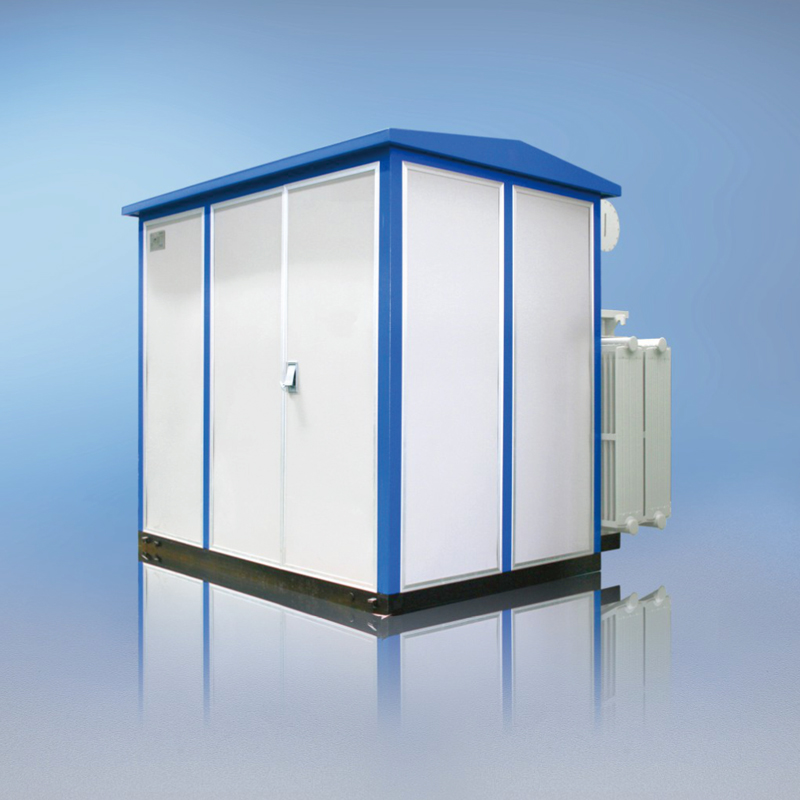
A Compact Wind Power Box-Type Substation is the core component of wind energy systems as it collects electricity generated by wind turbines and converts it into a form that can then be transmitted and distributed safely. The terms “compact” and “box-type” reveal the integrated, enclosed structure built by combining various electrical devices (transformers, switchgears, circuit breakers, etc.) into one weatherproof system.
The main role of the substation is to boost the voltage from wind turbines (which typically generate electricity at low voltage levels) to higher levels suitable for grid transmission and perform some important protective and regulatory functions. The substation helps to control the flow of electricity to ensure stable energy production, minimize losses during transmission, and defend equipment from failure. Its compact design allows for easier installation, smaller footprint, and faster application, which is important in wind farms located in hard-to-access areas.
Key Components and Design Features of Compact Wind Power Box-Type Substation
The design of a compact wind power box substation meets specific requirements of wind farms located on the land and sea. Its main elements are:
The transformer, which may be either oil-immersed or dry-type, holds great significance as it makes it possible to change voltage from wind turbine output (often between 690V or 33kV) to the required grid voltage (in the range from 35kV to 110kV or higher). Switchgears connect circuits and offer protection against failure. Circuit breakers are responsible for the failure isolation. Protective devices monitor electrical properties and intervene when the risk of failure is present. Finally, control and monitoring systems ensure remote supervision, real-time diagnostics, and automated operational processes.
Box-type substations use compact housings that are designed in both steel and composite. This means that these devices are also able to withstand severe weather, temperature variations, and corrosive environments. Because they are modular, they are easy to transport, install, and expand, which makes them great for applications in wind energy generation. An example of this is in the case of China, which has seen a rapid increase in the number of wind energy installations and hence has raised the demand for these highly adaptable substations.
The Role in Wind Power Plant Connectivity and Grid Integration
In order to deliver power properly, it is crucial for wind farms to connect seamlessly to the electricity grid. To achieve this, compact wind power box-type substations play a critical role in making sure that this connection functions correctly. When energy is collected from several turbines, the substation boosts the voltage level and adjusts the output to comply with the demands of electricity grid.
One of the major functions is handling the challenges of distributed generation. The substation operates by integrating several source streams and offering effective voltage regulation for the delivery of secure and dependable energy to the grid. Modern control systems fitted in this equipment are capable of gauging performance, regulating responses, and minimizing interruptions in the electricity distribution.
In addition to this, as renewable energy in consumption grows worldwide, utility firms are compelled to fulfill the requirements for flexible and decentralized substations. The compact wind power box substation provides a compact enough solution by offering plug-and-play ready integration and fulfilling substation requirements for grid balancing, reactive power control, and power factor correction necessary in order to maintain grid stability and increase renewable energy.
Advantages of Compact Wind Power Box-Type Substation
While assessing the safety of wind power solutions, customers are looking for reliability, cost-effectiveness, and environmental friendliness. In this context, the compact wind power box-type substation meets all requirements and provides following advantages:
Space Efficiency and modular design: Traditional substations are large and require additional civil works and space allocation. The compact design allows it to be installed in a limited area with ridges, sea platforms, or limited land area, providing flexibility and scalability with wind farms progreso
Efficient Setup and Configuration: With the prefabricated and modular design of these substations, the amount of time required for construction is significantly lowered. Therefore, installation can often take only a few days, making it possible to save time and cut down costs.
Increased Security and Monitoring: The use of sophisticated protective relays and digital data monitoring systems guarantees efficient breakdown detection and quick reaction time. This leads to less downtime and greater protection of both people and machinery.
Resilient against the elements: Box type enclosures are designed to withstand extreme weather conditions, UV radiation, and corrosion. This ability to perform over a long period is a crucial asset in wind farms, where there is often a difficult working environment.
By stacking different functions like transformation, switching, protection, and controlling all in one integrated unit, the wind power box-type substation saves a significant amount of the start-up investment and operational expenses.
Eco-Friendly and Low Maintenance: Various systems use dry transformers and environmentally-friendly insulation materials, which conform to sustainability goals associated with various renewable energy sources. Automated self-diagnoistics and remote control techniques also minimize maintenance activities at the site.
Compact Wind Power Box-Type Substation in China: A Rapidly Growing Market
China is leading the development in wind energy, investing a lot in infrastructure and innovations. Compact wind power box substations are gaining acceptance with help of government policies that allow integrating renewables as well as local manufacturers' solutions that are effective and affordable.
Box-type substations are becoming popular in China's wind power industry due to their compact design, reliability, and scalability. Equipment manufacturers and engineering companies can offer tailored solutions adapted to sites located anywhere from offshore projects in the South China Sea to remote wind farms in the mountains of Inner Mongolia. The equipment is designed and built according to the country's own standards (GB/T, IEC), which allows compatibility with state grids and the international market.
China is focusing heavily on digital innovation and using smart sensors, IoT connectivity, and cloud technology in its substations. It makes it possible for grid owners to monitor and analyze their energy flow in real time and utilize predictive maintenance methods. Demand for Chinese compact wind power box-type substations has surged around the world with users in Southeast Asia, Africa, and Europe aware of the advantages these products provide.
Compact Wind Power Box-Type Substation System: Operation and Maintenance
The operational efficiency of a compact wind power box-type substation system is reliant on its sound design and intelligent management. Among the key operations are voltage transformation, switching, isolation of faults, coordination of power quality, and remote diagnostics. The controllers enable end-to-end monitoring of the operations subject to all important process variables and issues leading to disturbances before they become visible in terms of outages.
Maintenance tactics are now directed towards preventive and condition-based techniques. Regular inspections are performed to monitor insulation resistance, thermal performance, and mechanical integrity. Modern systems have been equipped with online insulation monitoring, vibration examination, and infrared scanning technologies, which allow predicting failures and improving the service life of assets. Through remote diagnosis, troubles can be solved quickly with a minimum of downtime, while expenses associated with on-site experts are also limited.
The reduction in the amount of manual labor required as well as effective weatherproofing maximizes the return on investment and guarantees that the system will function for decades to come for the buyer. The top producers have introduced after-sale service solutions that offer technical support, training, spare parts, and software updates for functioning of the system.
Long-Term Investment Value and Buyer Considerations
The utilization of a compact wind power box-type substation in wind power production constitutes a technical decision as well as a financial choice. Those interested in purchasing such a compact wind power box-type substation must take into consideration not just its specifications; they also need to research manufacturers' standing on the market, the compatibility of the device with local power grid regulations, and the possibility of getting advice on operation matters in the future. The compact wind power box-type substation is characterized by its long-lasting performance, ability to expand, and advanced innovations in the area of digitalization.
Key considerations include:
Lifecycle Cost: The compactness of the design, the shortened time for installation, and the minimum maintenance needed reduce the lifecycle cost significantly in comparison to conventional substations.
Regulatory Compliance: It is crucial to guarantee that systems conform to standards such as IEC, ANSI, and GB/T for major projects that need funding or wish to access export markets.
Technical assistance and Upgrading: Availability of technology training, post-sales support, and upgrading of digital interfaces are critical for achieving operational efficiency.
Customization: Manufacturers can adjust designs to meet the specific demands of a location in terms of elevation, temperature conditions, and other constraints concerning connection to the grid details. Customization adds value as it guarantees that the product will work well in the environment in question.
Sustainable Practices Buyers are becoming more aware of the importance of eco-friendly designs, low emissions and energy-saving operation. It is made possible by the compact wind power box-type substation.
Addressing Common Buyer Questions: FAQ
What are the advantages of Compact Wind Power Box-Type Substation?The main benefits include saving space, quick assembly, improved protection system, weather-resistant capability, reduced total cost of ownership, and being easy to implement. The modular system makes it scalable.
How does the compact wind power box-type substation improve wind power plant efficiency?The system enhances energy efficiency and reliability of wind farms through minimization of electrical losses, optimization of control as well as reduction of installation time. It also provides advanced monitoring and remote management functionalities.
Can these substations be customized for project-specific requirements?Indeed, the top manufacturers offer customization possibilities including the adjustment of transformer ratings, selection of enclosure materials, and smart supervision systems that are tailored to the requirements of specific projects.
What maintenance strategies are recommended?It is suggested to utilize preventive and condition-based maintenance, taking advantage of the technology of digital monitoring, infrared scanning, and remote diagnostics. Implementing these procedures will lead to lengthened use of equipment, less spending, and higher uptime.
Is the compact wind power box-type substation suitable for offshore wind farms?
Absolutely. The weatherproof and corrosion-resistant design ensures reliable performance in offshore environments, where space, durability, and operational stability are paramount.
Future Trends in Wind Power Substation Technology
There are various technological developments in the industry of compact wind power box-type substations. The notable innovations in the field include modernization and coordination with smart grids as well as utilization of advanced amount of condition monitoring systems based on both SCADA and IoT technology as well as the introduction of green insulation materials.
Hybrid substations that use both wind and solar sources are increasingly being used to increase the reliability and maximize the amount of renewable energy harvested. The trend of pursuing miniaturization and automation in digital technology will create opportunities for greater efficiency and flexibility among operators of wind power plants.
Manufacturers are spending on R&D to ensure their offerings fit global sustainability objectives, adapt to evolving grid requirements, and deliver maximum reliability and support to customers. Buyers need to keep an eye on new certifications, connectivity options, and digital functionalities providing extra operational benefits.
Compact Wind Power Box-Type Substation: Opportunities and Challenges
Though there are many advantages to box-type substations, there are also various challenges. One of the challenges faced is the need for skilled personnel, adapting to the existing old grid, and dealing with the issue of unpredictable generation of energy. Frequent training, software updates, and cooperation with the utility company help to solve the issues.
Buyers and project developers have plenty of options. With the help of compact wind power box-type substations, stakeholders can gain access to new locations for implementing wind energy, while improving the timelines and economics of renewable power projects. Flexibility of the systems enables future-proof planning, allowing for capacity upgrades, expansions, and implementation of new energy sources.
Whether it’s the implementation of broad national renewable projects by government institutions or the pursuit of low-risk, high-yield options by private investors, the use of box substations has opened up a new avenue for sustainable wind power development.
We can conclude that the compact wind power box-type substation is a fundamental technology for contemporary wind farms. Because of its consolidated design, ability for quick implementation, sophisticated features in protection and control and compliance with worldwide energy requirements, it has gained irreplaceable importance in the field of renewable energy. The purchasers receive cost savings, enhanced effectiveness, and long-term reliability.