Inquiry
Form loading...

Blog

7 Tips to Choose a Photovoltaic Grid Connected Box?

7 Tips to Choose a Photovoltaic Grid Connected Box?

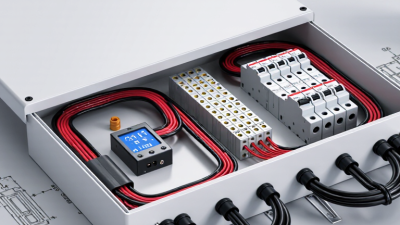
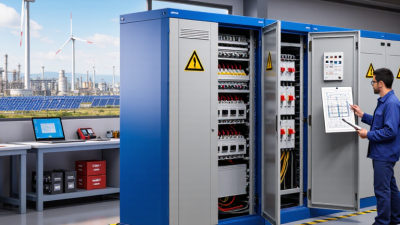
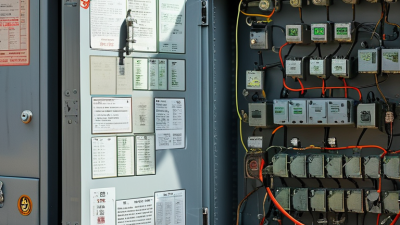
So, choosing the right Photovoltaic Grid-Connected Box? Yeah, it matters more than it might seem. It affects safety, efficiency, and how much maintenance you'll be dealing with down the road. The box is what links your solar arrays to grid-tied equipment, and even a small design slip-up can turn into a serious operational headache. From the outside, it can look pretty simple. Inside, though, cable routing, protection devices, terminals, and monitoring parts all have to play nicely together. This guide gives you seven practical tips, based on common PV installation requirements and what field inspections tend to reveal. You'll want to check the rated voltage, current capacity, enclosure protection, surge protection, isolation method, and grounding arrangement. And before you start comparing prices, review the system design first. A cheap box might come with weak terminals or not enough heat dissipation. That kind of issue often shows up later—say, when summer heat hits and connections are carrying current nonstop. Look closely. A solid selection process also means having clear documentation. Confirm product test reports, installation instructions, component ratings, and compatibility with the inverter. If the grid conditions are unfamiliar or the protection settings get complex, talk to a qualified electrical professional. Local rules can affect installation and inspection too, so don't assume one setup works for every project. Those seven tips should help readers compare products with more confidence. They'll also point out details that online photos just can't show—terminal spacing, cable bending room, label durability, access for maintenance, stuff like that. It's a practical approach, but not a perfect one. Product quality can vary from batch to batch, and even a well-designed box can fail if it's installed carelessly. So careful verification still matters.
Read more »
Amelia By:Amelia - October 12, 2026
2026 Best Main LV Switchboard Types for Global Buyers

2026 Best Main LV Switchboard Types for Global Buyers

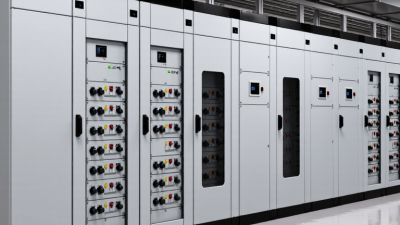
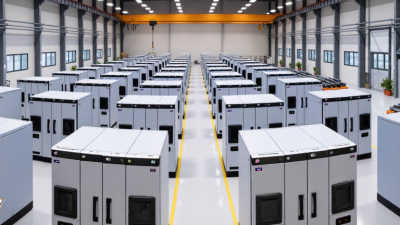
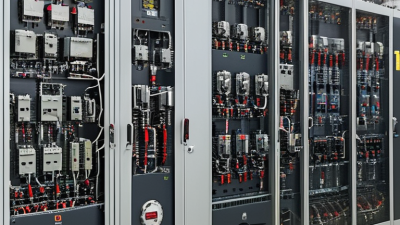
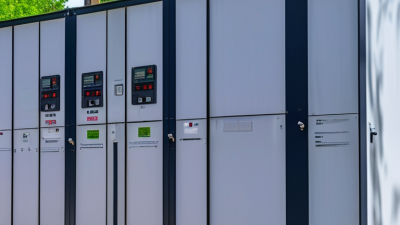
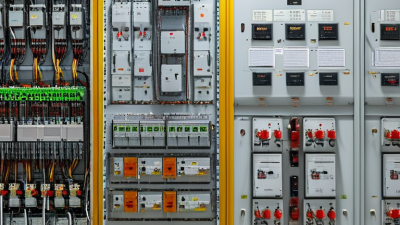
Choosing the right Main Lv Switchboard isn’t just a box-ticking exercise. For factories, commercial buildings, data centers, and infrastructure projects, it’s a very practical call. And if you’re buying globally, you’ll want to compare safety, current capacity, protection design, maintenance access, and what the local installation actually looks like. A board that works beautifully in a dry European plant might need a rethink in a humid coastal facility. Yep, details matter. This guide walks through the common types: fixed, withdrawable, compartmentalized, and intelligent low-voltage switchboards. We’ll look at busbar arrangements, incomer options, outgoing feeders, short-circuit ratings, and monitoring functions too. Experienced engineering teams usually start with the load schedule, future expansion plans, and a fault-level study. They don’t just pick gear because it looks good. A clean enclosure is nice, sure, but it doesn’t prove much. Reliable manufacturers should give you tested assemblies, clear drawings, routine inspection records, and traceable component data. Buyers should also double-check compliance with standards like IEC 61439, plus any national certification rules. Supplier support really matters during commissioning and after installation—spare parts can become surprisingly important. No single type fits every project. That’s the uncomfortable truth. A withdrawable design can make maintenance easier, but it may add cost and cabinet depth. A fixed design can be economical, though isolation procedures need closer attention. Digital monitoring can improve visibility, but poor network planning might create new weak spots. This overview is meant to help purchasing teams ask sharper questions, compare realistic options, and steer clear of decisions based only on price. In the end, the right choice should follow verified technical data, site conditions, and advice from qualified electrical professionals.
Read more »
Lila By:Lila - October 7, 2026
How to Choose a Waterproof Electric Meter Box in 2026?

How to Choose a Waterproof Electric Meter Box in 2026?

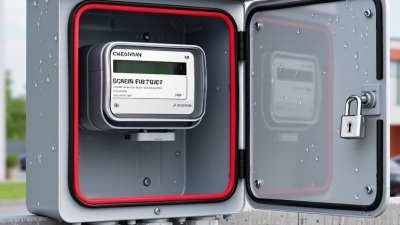
Picking out a waterproof electric meter box in 2026 isn’t just about looking at a product photo and calling it a day. You really need to consider the proof, the standards, and whether it’s suitable for the site in question. The International Energy Agency’s Electricity 2024 report predicts that global electricity demand will keep climbing at an average of around 3.4% every year through 2026. With more meters connected, that puts more stress on outdoor enclosures—especially in busy residential or commercial setups. And let’s be honest—weather exposure is becoming tougher to ignore. Deloitte’s 2025 Power and Utilities Industry Outlook emphasizes that grid resilience and modernization are still top priorities. So, when choosing a enclosure, it’s not enough for it to just claim 'waterproof.' It needs to match the actual environment where it’ll be installed. Always check the IP rating according to IEC 60529. For example, IP65 can handle dust and water jets, while IP66 steps it up with even stronger water resistance. But, keep in mind, neither of these ratings automatically cover things like UV rays, impact, corrosion, or condensation—that’s an important detail. Sometimes it’s the little things that count the most. Take a good look at the door seal, the transparent window, hinges, lock, cable glands, and drainage setup. The material should be tough enough to handle heat, cold, sunlight, and frequent opening without falling apart. If you’re installing somewhere near the coast, make sure the hardware is corrosion-resistant. In colder climates, trapped moisture inside can quietly cause issues. A box might pass standard lab tests but still fail if someone drills into it improperly or if it’s mounted unevenly. That’s where experience helps, but don’t rely on it blindly—it can also create bias. Always compare test certifications, installation instructions, warranty details, and traceability of the supplier. Remember, the priciest or thickest enclosure isn’t always the best pick. The right waterproof meter box for you is the one that matches your actual needs in terms of protection level, size, materials, and ease of access for maintenance—that’s what really matters. Hope that makes things clearer when shopping for your meter box!
Read more »
Lila By:Lila - October 2, 2026
2026 Best Pole Mounted Breaker Types for Buyers?

2026 Best Pole Mounted Breaker Types for Buyers?

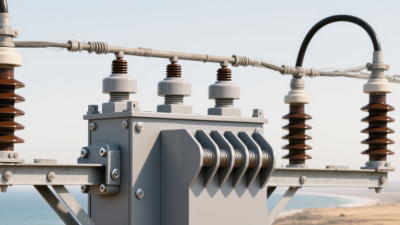
Picking out a Pole Mounted Breaker in 2026 isn't just about comparing prices or specs like interrupt ratings. You really need to match the breaker with your feeder’s voltage, expected fault current, how it’s used day-to-day, and the specific conditions of your location. For example, if the breaker is installed in a salty coastal area, it might need different insulation or corrosion protection compared to one set up inland on a dry line. Little details like that can make a big difference. Now, for this guide, Alex Morgan—who specializes in distribution systems—puts it quite simply: “Choose based on the fault duty and what the maintenance crew can handle, not just the flashy headline on the brochure.” Just a heads-up, that's more of his personal advice than a formal quote. Basically, when shopping around, you should check out the rated voltage, short-circuit capacity, insulation levels, control power, how the mechanism works, and whether it plays nicely with your existing protection settings. Don’t forget to ask suppliers for test reports and clear installation instructions—it's worth verifying all those specs before pulling the trigger. And honestly, the right type depends on what your specific job needs. Vacuum interrupters, for instance, are pretty common in modern medium-voltage setups, but other styles might be better suited for older systems or unique conditions. It's a good idea to compare not just the upfront cost but also how easy it will be to get spare parts, the manufacturer’s support track record, and who'll be troubleshooting if something goes wrong, especially during a storm. This intro runs through the main types of breakers and what you should consider with each. The thing is, no single option works perfectly in every situation. Your site conditions, the system data, and a good review from a qualified power systems pro are the way to go. Even if specs look solid, it’s worth double-checking all those details before you order anything—better safe than sorry!
Read more »
Amelia By:Amelia - September 27, 2026
Who Are the Top LV GIS Switchgear Manufacturers in China?

Who Are the Top LV GIS Switchgear Manufacturers in China?

When it comes to China’s switchgear market, you’ll find a mix of well-known electrical equipment brands and specialized manufacturers. But honestly, choosing the right supplier isn’t just about glancing at their names. You really need to dig a little deeper—look into their product range, check out technical docs, see what kind of manufacturing capabilities they have, and think about their after-sales support too. This guide is here to help you navigate companies associated with Lv Gis Switchgear. It’ll walk you through how to evaluate what they’re offering. You might come across names like Sieyuan Electric, Henan Pinggao Electric, CHINT Electric, and TBEA when talking about China’s power equipment scene. But just because they’re big players in the sector doesn’t automatically mean they have a specific low-voltage GIS product line you need. Always double-check each model directly with the manufacturer to be sure. Details really matter in this game. Pay close attention to specs like rated voltage, current, short-circuit withstand strength, enclosure design, and where it’s meant to be installed. Don’t just rely on pretty brochures—ask for up-to-date datasheets, test reports, certifications, and clear warranty info. A glossy brochure can be tempting, but it’s not a guarantee that a product will work for your specific setup. Take your time and look carefully. Remember, this overview is just a starting point—not a final ranking. Public info can sometimes be incomplete, and product lines do change over time. Plus, some suppliers might use the term “GIS” a little differently in their catalogs, which can be confusing. So, it’s smart to compare specs side-by-side and get everything in writing before you narrow down your options. Be cautious if you come across claims that lack independent testing or actual project references—they might not tell the full story. Often, the biggest or most famous name isn’t always the best choice. The key is to find a supplier whose documented products fit your needs perfectly and who can provide clear, knowledgeable answers to your detailed questions.
Read more »
Amelia By:Amelia - September 24, 2026
How to Source Ring Main Gear Globally in 2026?

How to Source Ring Main Gear Globally in 2026?

When it comes to sourcing Ring Main Gear in 2026, it’s not just about comparing prices anymore. You really need to look at the whole picture—things like electrical performance, factory capabilities, logistics, and how well the supplier can support you long-term. It’s a lot to consider, but skipping over these details can cause bigger headaches down the road. Dr. S. S. Rao, who’s well-respected in the switchgear and power systems world, always suggests a good rule of thumb: ‘Switchgear selection should be based on system voltage, fault levels, and operating conditions.’ Honestly, that advice still holds true. Sometimes a compact unit might look perfect in a catalog or brochure, but it might not stand up to your project’s short-circuit or environmental demands when the time comes. This guide is all about helping you understand how to go about sourcing Ring Main Gear from known manufacturing hubs. We’ll cover important factors like IEC 62271 compliance, insulation tech, enclosure design, protection relays, and routine testing records. Plus, we’ll look at their experience working with utilities, renewable projects, industrial plants, and urban power distribution. Because, let’s face it, details really do matter. A solid sourcing process should include verifying drawings, material specs, test results, and references from previous projects. Factory visits can uncover practical issues—like unfinished cable compartments, inconsistent labels, or poor document management—that can slip past in polished sales pitches. Pricing is another tricky area. A lower bid might seem attractive, but it could be hiding extra costs—like expensive freight, long delays in getting spare parts, vague warranty conditions, or limited support during installation. Plus, things can change quickly—fluctuating exchange rates, port congestion, and supply chain disruptions all add a layer of uncertainty. Instead of just focusing on the initial purchase price, think about the total cost of ownership. Having regional service partners, trained technicians, and easy access to replacement parts can save you a lot of headaches later on. And remember—biggest isn’t always best. The best supplier is the one who can prove they deliver reliable performance, communicate clearly, and support you well after the sale. This article is meant to give you a practical approach to making smarter choices—so you’re less likely to run into surprises along the way.
Read more »
Amelia By:Amelia - September 20, 2026
China Top RMU Breaker Manufacturers for Global Buyers

China Top RMU Breaker Manufacturers for Global Buyers

When global buyers are trying to pick a reliable Rmu Breaker manufacturer, it’s more than just about flipping through catalog prices. Medium-voltage networks, in particular, need stable insulation, dependable switching functions, and a clear plan for maintenance. A good supplier should be open and straightforward about their ratings, enclosure materials, how their operating mechanisms work, and any service limits—without hiding the technical stuff. In this article, we’ll introduce some of the top China-based manufacturers that serve international projects. We’re focusing on facts and real-world evidence, not just shiny promises. Because at the end of the day, what really matters is the actual equipment they provide. When we evaluate these companies, we look at their factory experience, engineering capabilities, quality control processes, and support for export projects. We want to see IEC test reports, traceable components, records of routine inspections, and solid references from past projects. Buyers should also pay attention to specifications like short-circuit ratings, protection coordination, altitude considerations, and installation conditions. Sometimes, a manufacturer might give an attractive quote, but if their documentation is weak, approvals and permits could get delayed. That’s a risk people often overlook. You should also look into site support, spare parts availability, and how quickly they respond—that stuff can really make or break how smoothly everything runs after installation. The companies we’ve included in this guide have been looked at from a practical buyer’s perspective. We compare what products they offer, their ability to customize solutions, how clear and responsive their communication is, and their after-sales support. Of course, no single ranking will work for every utility, industrial plant, or renewable energy project—everyone’s needs are different. Keep in mind, information about suppliers can change, and published claims sometimes need to be verified independently. It’s a good idea to ask for current certifications, witnessing test results, detailed drawings, and contractual warranties before you place your order. With some careful checking, international buyers can reduce the options and find a Chinese manufacturer who strikes the right balance between safety, performance, on-time delivery, and long-term value.
Read more »
Lila By:Lila - September 15, 2026
2026 Best RMU Switchgear Type for Global Buyers?

2026 Best RMU Switchgear Type for Global Buyers?

When it comes to choosing the best Rmu Switchgear kind for buyers around the globe in 2026, it’s not just about flipping through a brochure. I mean, you really need to dig deeper—think about voltage ratings, fault levels, how the enclosure is designed, operating frequency, and even what local support is available. A compact unit might be just perfect for a city substation, but it could totally fall flat in a dusty industrial environment if it’s not properly protected. Experience shows us that small details in the application can totally change what model ends up being the best fit. Engineers should consider things like the length of feeders, transformer capacity, switching speeds, humidity levels, altitude, and how easy it is to access for maintenance. Plus, it’s super important to double-check testing records, documentation, spare parts availability, and training options before settling on a supplier. While standards like IEC 62271 help guide the evaluation, remember—local grid rules really still matter. Just having a certification doesn’t automatically mean it will be reliable in practice. Honestly, no list of options is perfect. At first, we figured that gas-insulated designs would always come out on top, but turns out, that’s not the full story. Each type—air-insulated, solid-insulated, or gas-insulated—has its own perks. Gas insulation saves space, which is a big plus in tight spots. Solid insulation might help reduce concerns tied to certain gases, and air-insulated systems can make inspections and maintenance much simpler. The right choice really depends on your specific needs—consider the risks, your budget, climate conditions, and your overall network strategy. This guide is all about comparing the main Rmu Switchgear options for people shopping internationally in 2026. It looks at real-world installation conditions, overall lifecycle costs, operator safety, and how trustworthy the suppliers are. We focus on practical technical info instead of just fancy marketing buzzwords. A good supplier should be upfront about what their equipment can and can’t do—that’s important. Sometimes, honest answers tell you more than all those shiny claims about efficiency. So, don’t forget to ask for routine test reports, reference projects, warranty details, and how quickly they respond when you need support. All these little things can make a huge difference, turning your global purchase into a reliable and smart investment in power distribution.
Read more »
Amelia By:Amelia - September 12, 2026
China Best Outdoor Distribution Box Supplier?

China Best Outdoor Distribution Box Supplier?

Choosing the best outdoor distribution box supplier in China isn’t just about comparing prices, you know? It’s really about finding a partner who understands the ins and outs of outdoor electrical risks—not just selling you some metal or plastic enclosure. An outdoor distribution box needs to guard your circuits against rain, dust, sunlight, temperature swings, and accidental contact. And those seals? They can wear out pretty fast if they’re not up to the job. A good supplier should be open about how they make their products. Don’t hesitate to ask about what materials they use for the enclosures, the gasket quality, cable glands, busbars, circuit breakers, and grounding. A trustworthy factory will be able to share product drawings, inspection records, test reports, and details on the components so you can see everything’s traceable. Also, they should help you pick the right IP rating based on where you’re installing. But, honestly, having a fancy certificate doesn’t mean much in the long run. Real confidence comes from consistent quality and solid testing. When you’re checking out the boxes, pay attention to the little things. Does the door shut smoothly? Are the hinges still sturdy after dozens of uses? Can your techs read the labels inside, even if it’s kinda dark outside? Is there enough space inside for wiring and future upgrades? These small details can make a big difference over time. Experience really shows during customization too—whether it’s for solar farms, construction sites, factories, or public utilities. Of course, no supplier’s perfect. There might be delays, design tweaks, or some back-and-forth when it comes to technical stuff. That’s why it’s smart to ask for samples and double-check the specs before you place an order. A reliable Chinese manufacturer will be honest about what they can do, answer your questions reasonably, and admit their limits. Keep in mind, the cheapest quote isn’t always the best option. The real winner is the one who combines engineering know-how, controlled manufacturing, quick support, and proven field performance.
Read more »
Sophia By:Sophia - September 8, 2026
Top 5 Tips for Choosing the Best Photovoltaic Grid Connected Box?

Top 5 Tips for Choosing the Best Photovoltaic Grid Connected Box?

In the fast-changing world of renewable energy, picking the right equipment isn’t just important — it’s kinda critical. Experts always stress how essential it is to make smart, well-informed choices. I remember John Anderson, who’s a top guy in solar tech at Solar Innovations Inc., once said, “Choosing the right [Photovoltaic Grid-Connected Box](https://www.nanyoungpower.com/photovoltaic-grid-connected-box) can really make or break your solar project.” That really hits home, right? His point is that this process isn’t always straightforward — there’s a lot to consider. The market’s full of options, each with their own perks and quirks, so understanding what sets them apart is super important. Things like efficiency, durability, and whether they play nice with existing setups are key. The Photovoltaic Grid-Connected Box, for example, isn’t just about managing energy — it’s also about safety and making sure everything follows the rules. Plus, you’ve gotta think long-term. Will this choice still be good down the line? A lot of folks tend to overlook potential gotchas. Sometimes, people focus too much on the price tag and forget about quality or how well it actually performs. That can backfire big time and end up costing more later on. Picking the right equipment can seriously boost energy output and cut down on maintenance headaches. In this competitive game, being informed about your choice of a Photovoltaic Grid-Connected Box really pays off in terms of sustainability and efficiency. Trust me, it’s worth taking your time to get it right.
Read more »
Lila By:Lila - September 3, 2026